Outsourcing has become a powerful growth tool in today’s competitive world. But here’s the catch: knowing how to choose the Right BPO Partner for Your Business can make or break your success. Choose wisely, and you unlock cost savings, efficiency, and scalability. Choose poorly, and you face delays, compliance risks, and customer dissatisfaction.
So, how do you make the right decision? Let’s dive deep into the smart strategies that separate successful businesses from struggling ones.
Introduction to Business Process Outsourcing (BPO)

Business Process Outsourcing (BPO) allows companies to delegate non-core operations to external specialists. It helps businesses focus on what they do best while experts handle the rest.
What is BPO and Why It Matters
BPO involves contracting third-party service providers to perform specific business tasks, such as:
- Customer support
- Payroll processing
- IT services
- Data entry
- Technical support
According to industry research from Statista, the global BPO market continues to grow steadily, proving that outsourcing is not just a trend; it’s a strategic necessity.
When done right, outsourcing boosts efficiency and cuts operational costs significantly.
Types of BPO Services
There are three main categories:
- Back Office BPO – Accounting, HR, data management
- Front Office BPO – Customer service, sales, marketing
- Knowledge Process Outsourcing (KPO) – Research, analytics, legal services
Understanding these categories helps you determine what type of partner you need.
Why Choosing the Right BPO Partner Matters
Selecting a BPO partner isn’t just a procurement decision; it’s a strategic one.
Impact on Operational Efficiency
The right partner improves:
- Turnaround times
- Service quality
- Process consistency
A poor choice can result in communication gaps and workflow disruptions.
Financial Implications and Cost Savings
Cost reduction is often the primary reason for outsourcing. However, low cost doesn’t always mean better value. A slightly higher investment in a reliable provider often yields better long-term ROI.
Risk Management and Compliance
Data security and compliance are critical. A reliable BPO partner must follow regulations such as GDPR or industry-specific laws to avoid legal issues.
Step 1: Define Your Business Goals Clearly

Before you even start searching, clarify what you want to achieve.
Identify Core vs Non-Core Activities
Ask yourself:
- What tasks consume too much internal time?
- Which functions don’t directly generate revenue?
Outsourcing non-core tasks allows your internal team to focus on strategic growth.
Establish Measurable KPIs
Set performance indicators such as:
- Response time
- Customer satisfaction rate
- Cost reduction percentage
Clear KPIs prevent confusion later.
Step 2: Assess Industry Experience and Expertise
Experience matters big time.
Sector-Specific Knowledge
A BPO provider familiar with your industry understands:
- Compliance requirements
- Customer behavior
- Market trends
For example, healthcare outsourcing requires HIPAA compliance knowledge.
Case Studies and Proven Results
Request:
- Client testimonials
- Case studies
- References
Proven success reduces your risk.
Step 3: Evaluate Technological Capabilities
Technology is the backbone of modern outsourcing.
Automation and AI Integration
Leading BPO firms use:
- Robotic Process Automation (RPA)
- AI chatbots
- Cloud-based platforms
These tools increase efficiency and reduce errors.
Data Security Infrastructure
Ensure the partner uses:
- End-to-end encryption
- Multi-factor authentication
- Secure data centers
Cybersecurity cannot be compromised.
Step 4: Check Compliance and Data Security Standards

Compliance protects your business reputation.
Regulatory Compliance
Verify certifications like:
- ISO standards
- GDPR compliance
- Industry-specific regulations
Data Protection Policies
Ask about:
- Data storage methods
- Backup systems
- Breach response procedures
Transparency is key.
Step 5: Analyze Cost Structure and Pricing Models
Cost should be clear and predictable.
Transparent Pricing
Common pricing models include:
- Per-hour billing
- Per-transaction billing
- Fixed monthly rates
Choose what aligns with your business model.
Hidden Costs to Watch For
Watch out for:
- Setup fees
- Transition costs
- Overtime charges
Always review the contract carefully.
Step 6: Review Communication and Cultural Compatibility
Communication can make or break outsourcing.
Language Proficiency
Ensure team members:
- Speak fluent business-level English
- Understand industry terminology
Time Zone and Responsiveness
Consider:
- Overlapping work hours
- Emergency response time
Smooth collaboration depends on this.
Step 7: Scalability and Flexibility
Your business will grow your BPO partner should grow with you.
Handling Business Growth
Ask if they can:
- Scale teams quickly
- Handle seasonal demand
Contract Flexibility
Avoid long-term rigid contracts. Flexibility reduces risk.
Step 8: Evaluate Service Level Agreements (SLAs)

SLAs define expectations clearly.
Performance Metrics
Include:
- Resolution time
- Accuracy rate
- Downtime limits
Accountability Measures
Ensure penalties exist for non-performance. Accountability builds trust.
Step 9: Request References and Client Testimonials
Nothing beats real-world feedback.
Speak directly with existing clients if possible. Ask about:
- Reliability
- Communication
- Problem resolution
Step 10: Conduct a Pilot Project
Before signing a long-term deal, test the waters.
A 30–60 day pilot project allows you to evaluate:
- Service quality
- Workflow compatibility
- Reporting transparency
This reduces long-term risk significantly.
Common Mistakes to Avoid When Choosing a BPO Partner
Avoid these pitfalls:
- Choosing solely based on price
- Ignoring data security
- Skipping contract reviews
- Failing to define KPIs
- Overlooking cultural fit
Learning from others’ mistakes saves time and money.
Future Trends in BPO and Outsourcing
The outsourcing landscape is evolving rapidly.
Emerging trends include:
- AI-powered automation
- Cloud-based collaboration
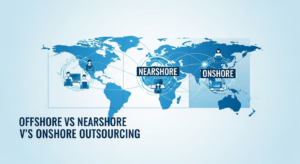
- Nearshore outsourcing
- Outcome-based pricing models
Staying ahead of trends ensures your outsourcing strategy remains competitive.
Frequently Asked Questions (FAQs)
1. What is the main benefit of outsourcing to a BPO provider?
Cost reduction and operational efficiency are the primary benefits.
2. How long does it take to transition to a BPO partner?
Typically 1–3 months, depending on complexity.
3. Is outsourcing safe for sensitive data?
Yes, if the provider follows strict security protocols and compliance standards.
4. Should small businesses consider BPO services?
Absolutely. Even startups benefit from outsourcing non-core tasks.
5. How do I measure BPO performance?
Through KPIs outlined in your Service Level Agreement (SLA).
6. Can I switch BPO partners if I’m unhappy?
Yes, but ensure your contract includes exit clauses.
Conclusion: Making the Final Decision
Understanding how to choose the Right BPO Partner for Your Business isn’t complicated, but it does require careful research, strategic planning, and thorough evaluation.
When you define your goals, assess expertise, verify compliance, and conduct pilot testing, you significantly reduce risks. The right BPO partner becomes more than a service provider; they become a strategic extension of your team.
Take your time. Ask tough questions. Review contracts carefully. And remember, smart outsourcing isn’t about saving pennies, it’s about building sustainable growth.