In today’s competitive business environment, The Complete Guide to Outsourcing Finance & Accounting is more relevant than ever. Companies of all sizes are seeking smarter ways to reduce costs, improve efficiency, and focus on core activities. Finance and accounting tasks, while essential, often consume time and resources that could be directed toward innovation and growth.
Outsourcing finance and accounting has become a strategic solution rather than just a cost-cutting tactic. It allows organizations to access expert services, advanced technology, and scalable solutions without the burden of maintaining a large internal team.
Let’s explore everything you need to know.
Introduction to Outsourcing Finance & Accounting
Outsourcing finance and accounting refers to hiring third-party service providers to manage financial operations. These services may include bookkeeping, payroll, tax preparation, financial reporting, and compliance management.
Businesses today operate in a digital-first world. Regulations are constantly evolving. Financial accuracy and transparency are critical. Instead of juggling these demands internally, companies increasingly turn to specialized firms.
What Is Finance & Accounting Outsourcing?
Finance & Accounting (F&A) outsourcing involves delegating financial processes to an external partner. These processes often include:
- General ledger maintenance
- Accounts payable and receivable
- Payroll management
- Tax compliance
- Financial analysis and reporting
This approach enables businesses to maintain high standards without investing heavily in in-house infrastructure.
Why Businesses Choose to Outsource
Organizations outsource for several reasons:
- To reduce operational costs
- To access skilled professionals
- To improve efficiency
- To ensure regulatory compliance
- To focus on core business goals
It’s not just about saving money, it’s about building a smarter operational model.
Key Services Included in Outsourcing Finance & Accounting
Outsourced providers offer a wide range of services tailored to business needs.
Accounts Payable & Receivable
Managing invoices and payments is time-consuming. Outsourcing ensures:
- Timely invoice processing
- Improved cash flow management
- Accurate record-keeping
- Reduced errors
Financial Reporting & Compliance
Regulatory compliance is non-negotiable. Outsourced partners:
- Prepare financial statements
- Ensure GAAP or IFRS compliance
- Conduct audits
- Manage tax filings
You can learn more about global accounting standards from the International Financial Reporting Standards Foundation (IFRS) here: https://www.ifrs.org/
Payroll Processing
Payroll errors can damage employee trust. Outsourcing payroll ensures:
- Accurate salary calculations
- Proper tax deductions
- Compliance with labor laws
- Confidential handling of employee data
Major Benefits of Outsourcing Finance & Accounting
Cost Reduction & Savings
One of the most compelling advantages is cost efficiency.
Companies save on:
- Recruitment expenses
- Employee benefits
- Training costs
- Office space
- Software licenses
Instead of fixed costs, businesses pay only for the services they need.
Access to Expertise & Technology
Outsourcing partners employ certified accountants, analysts, and tax specialists. They also invest in advanced financial software, automation tools, and cloud platforms.
This gives businesses enterprise-level capabilities without heavy capital investment.
Scalability & Flexibility
Business growth often comes with fluctuating financial demands. Outsourcing offers:
- Flexible staffing
- Quick scaling during peak periods
- Reduced overhead during slow seasons
It adapts as your company evolves.
Potential Risks and How to Mitigate Them
No strategy is without risks. However, proper planning minimizes them.
Data Security & Confidentiality
Financial data is sensitive. Risks include:
- Data breaches
- Unauthorized access
- Compliance violations
Mitigation strategies:
- Choose providers with strong cybersecurity frameworks
- Ensure data encryption
- Sign strict confidentiality agreements
Communication Challenges
Different time zones and communication styles may create misunderstandings.
To prevent issues:
- Establish clear reporting structures
- Use project management tools
- Schedule regular review meetings
Transparency is key.
How to Choose the Right Outsourcing Partner

Selecting the right provider determines success.
Industry Experience
Look for firms with experience in your specific sector. Industry expertise ensures better compliance and tailored financial strategies.
Technology Capabilities
Ensure the provider uses:
- Cloud accounting platforms
- Automated reporting systems
- Secure data storage
- AI-powered analytics
Technology integration boosts accuracy and efficiency.
Outsourcing Models Explained
Onshore Outsourcing
Services are provided within the same country. Benefits include:
- Easier communication
- Similar regulatory environment
- Cultural alignment
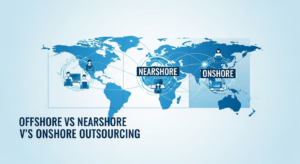
Offshore & Nearshore Models
These models involve providers in other countries.
Advantages include:
- Lower labor costs
- Access to global talent
- 24/7 operations
Hybrid models combine both approaches for balanced results.
Cost Structure of Outsourcing Finance & Accounting
Pricing varies depending on service complexity.
Fixed vs Variable Pricing
Fixed pricing offers predictable monthly costs.
Variable pricing adjusts based on workload and transaction volume.
Businesses should evaluate:
- Service scope
- Business size
- Reporting requirements
- Level of customization
A clear Service Level Agreement (SLA) is essential.
Transitioning to an Outsourced Model
Planning & Process Documentation
Before outsourcing:
- Map existing processes
- Document workflows
- Identify inefficiencies
- Set measurable goals
Migration & Monitoring
Transition steps include:
- Data transfer
- System integration
- Staff training
- Performance monitoring
Regular audits ensure accountability.
Industries That Benefit Most
Several industries gain significant advantages:
- Startups need cost efficiency
- SMEs seeking scalability
- Healthcare organizations with strict compliance needs
- E-commerce businesses handling high transaction volumes
- Manufacturing firms require detailed cost analysis
In truth, nearly every sector can benefit when implemented correctly.
Technology Driving Outsourcing Finance & Accounting

Technology is transforming the industry.
Key innovations include:
- Cloud accounting systems
- Artificial intelligence
- Robotic Process Automation (RPA)
- Predictive analytics
- Real-time dashboards
These tools enhance speed, accuracy, and strategic insights.
Measuring Success in Outsourcing
Performance should be measured through Key Performance Indicators (KPIs), such as:
- Cost savings percentage
- Error reduction rate
- Reporting turnaround time
- Compliance accuracy
- Return on investment (ROI)
Regular performance reviews strengthen partnerships.
Frequently Asked Questions (FAQs)
1. Is outsourcing finance and accounting suitable for small businesses?
Yes. Small businesses benefit from cost savings, professional expertise, and scalable services without hiring full-time staff.
2. How secure is outsourcing financial data?
Reputable providers use encrypted systems, multi-factor authentication, and compliance frameworks to protect data.
3. Can outsourcing improve compliance?
Absolutely. Professional firms stay updated with regulatory changes and ensure accurate reporting.
4. What tasks should not be outsourced?
Strategic financial decision-making often remains internal, though advisors can assist.
5. How long does the transition process take?
Typically 1–3 months, depending on business complexity.
6. Does outsourcing reduce control?
Not if managed correctly. Clear contracts and reporting maintain transparency and oversight.
Conclusion
The Complete Guide to Outsourcing Finance & Accounting shows that outsourcing is more than a trend; it’s a strategic transformation. By reducing costs, accessing expertise, leveraging advanced technology, and enhancing scalability, businesses can strengthen their financial foundation while focusing on growth.
When implemented thoughtfully, outsourcing finance and accounting empowers organizations to operate more efficiently, stay compliant, and make data-driven decisions with confidence.
The future of finance is agile, technology-driven, and globally connected. And outsourcing plays a vital role in shaping that future.