If you’ve ever wondered, What is Business Process Outsourcing (BPO)? Ultimate Guide, you’re in the right place. Business Process Outsourcing (BPO) is a powerful business strategy where companies contract specific tasks or operations to third-party service providers. Instead of handling everything in-house, businesses delegate non-core functions to specialists.
In simple terms, BPO allows companies to focus on what they do best while experts handle the rest.
Think about customer service centers, payroll management, IT help desks, or data entry tasks. Many of these operations are managed by BPO providers located locally or overseas. This strategic move helps businesses reduce costs, improve efficiency, and access skilled professionals without expanding internal teams.
Today, BPO is a multi-billion-dollar global industry that supports startups, mid-sized companies, and large enterprises alike.
History and Evolution of BPO
Early Outsourcing Practices
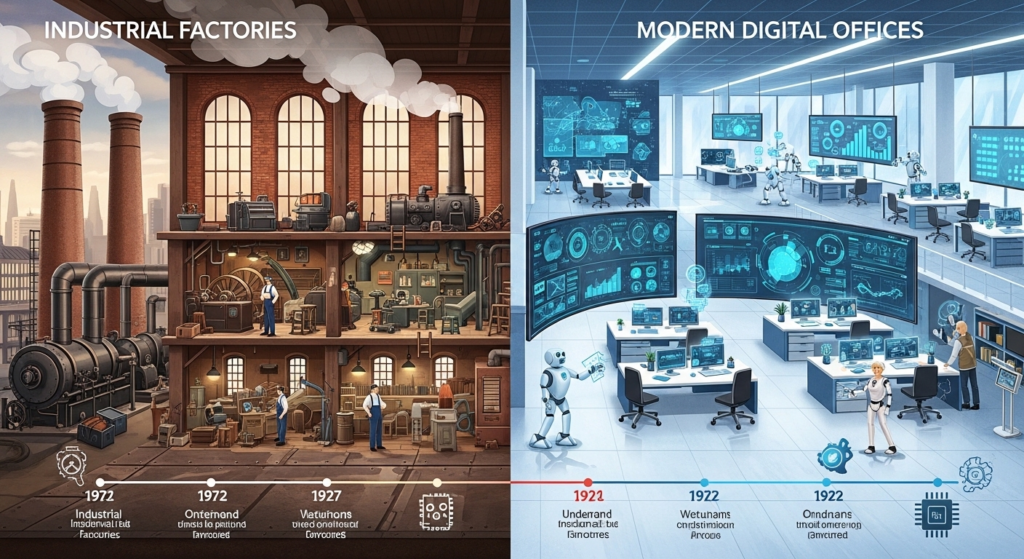
Outsourcing is not new. In fact, it dates back to the Industrial Revolution when companies hired external suppliers for manufacturing components. However, these arrangements were mostly limited to production tasks.
The Rise of Globalization and Offshore BPO
In the 1990s, globalization changed everything. Countries like India and the Philippines became hubs for offshore outsourcing. Thanks to lower labor costs and strong English-speaking workforces, many Western companies began outsourcing customer service and IT support.
This period marked the rapid growth of the BPO industry.
Digital Transformation and Modern BPO
Today, BPO has evolved far beyond simple call centers. With cloud computing, automation, and artificial intelligence (AI), providers now deliver high-value services such as financial analysis, digital marketing support, and even legal research.
Modern BPO is smarter, faster, and more strategic than ever before.
Types of Business Process Outsourcing (BPO)
Business Process Outsourcing (BPO) can be categorized into several types depending on the nature of services provided.
Back-Office Outsourcing
Back-office services include internal operations such as:
- Payroll processing
- Accounting and bookkeeping
- Data entry
- Human resources administration
These tasks are essential but do not directly interact with customers.
Front-Office Outsourcing
Front-office services involve customer-facing activities, including:
- Customer support
- Technical help desks
- Sales and telemarketing
- Social media management
These services directly impact customer satisfaction and brand reputation.
Knowledge Process Outsourcing (KPO)
KPO involves specialized expertise such as:
- Market research
- Financial consulting
- Legal services
- Business analytics
This type requires advanced skills and higher qualifications.
IT-Enabled Services (ITES)
ITES includes:
- Software support
- Network management
- Cloud services
- Database management
It plays a crucial role in digital transformation.
Key Functions Commonly Outsourced
Customer Service and Call Centers
Many companies outsource customer support to ensure 24/7 service availability. This improves customer experience while reducing operational costs.
Human Resources Management
HR functions like recruitment, benefits administration, and employee training are often outsourced to streamline workforce management.
Finance and Accounting
Outsourcing financial operations ensures accuracy, compliance, and professional handling of bookkeeping tasks.
IT Support and Technical Services
Businesses rely on external experts for cybersecurity, server maintenance, and system upgrades.
How Business Process Outsourcing (BPO) Works
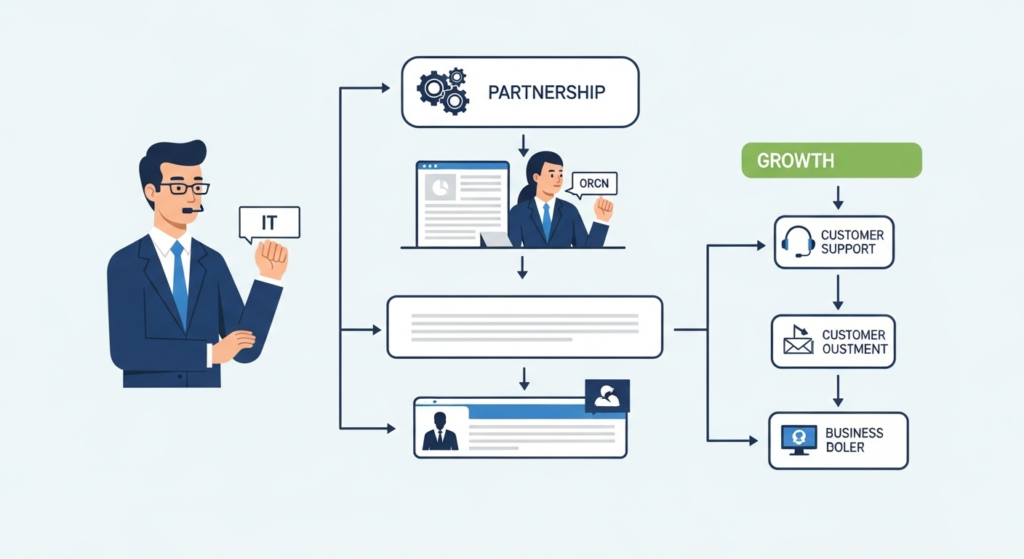
Understanding how BPO operates helps businesses make informed decisions.
Vendor Selection Process
Companies evaluate potential providers based on:
- Industry experience
- Cost structure
- Technology capabilities
- Security measures
Service-Level Agreements (SLAs)
SLAs define performance standards, response times, and penalties. They ensure accountability and service quality.
Transition and Integration
Once selected, the provider works closely with the company to transfer processes smoothly. This phase includes training, documentation, and performance monitoring.
Benefits of Business Process Outsourcing (BPO)
Cost Reduction and Efficiency
One of the biggest advantages is cost savings. Companies save on:
- Salaries
- Infrastructure
- Equipment
- Training
Access to Skilled Talent
BPO providers specialize in specific services, giving businesses access to experienced professionals.
Focus on Core Business Activities
Outsourcing frees up internal resources, allowing management to focus on growth and innovation.
Scalability and Flexibility
Need to scale operations quickly? BPO providers offer flexibility to increase or decrease resources as needed.
Challenges and Risks of BPO
While beneficial, outsourcing comes with potential risks.
Data Security Concerns
Sharing sensitive data with third parties may increase cybersecurity risks. Strong contracts and encryption are essential.
Communication Barriers
Different time zones and language differences can create misunderstandings.
Quality Control Issues
Without proper monitoring, service quality may decline.
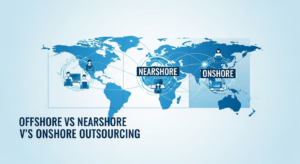
Onshore vs Offshore vs Nearshore Outsourcing
| Type | Definition | Advantages |
| Onshore | Outsourcing within the same country | Better communication |
| Offshore | Outsourcing to distant countries | Lower costs |
| Nearshore | Outsourcing to neighboring countries | Balance of cost & proximity |
Each model offers unique benefits depending on business goals.
Industries That Use Business Process Outsourcing (BPO)

BPO is widely used across sectors such as:
- Healthcare
- Banking and finance
- E-commerce
- Telecommunications
- Retail
According to a report by Statista, the global outsourcing market continues to grow steadily, driven by digital transformation.
BPO vs KPO vs ITO – Key Differences
| Feature | BPO | KPO | ITO |
| Skill Level | Moderate | High | Technical |
| Focus | Operational tasks | Knowledge services | IT services |
| Cost | Lower | Medium | Variable |
The Role of Technology in Modern BPO
Automation and AI
AI-powered chatbots and robotic process automation (RPA) reduce repetitive tasks and improve accuracy.
Cloud Computing
Cloud platforms enable remote work, real-time collaboration, and secure data storage.
Data Analytics
Advanced analytics provide valuable business insights and performance tracking.
How to Choose the Right BPO Partner
When selecting a provider, consider:
- Industry experience
- Data security standards
- Client reviews
- Scalability options
- Transparent pricing
A good partner acts as an extension of your business—not just a service provider.
Future Trends in Business Process Outsourcing (BPO)
The future of BPO looks promising. Key trends include:
- Increased automation
- Hybrid work models
- AI-driven analytics
- Stronger cybersecurity frameworks
- Focus on customer experience
Companies that adapt early will gain a competitive edge.
Frequently Asked Questions (FAQs)
1. What is Business Process Outsourcing (BPO)? Ultimate Guide summary?
It is the practice of contracting business tasks to external service providers to reduce costs and improve efficiency.
2. Is BPO only about call centers?
No. BPO includes finance, HR, IT services, analytics, and more.
3. Is outsourcing safe?
Yes, if proper security measures and contracts are in place.
4. What industries benefit most from BPO?
Healthcare, finance, retail, and technology sectors benefit greatly.
5. Does BPO reduce quality?
Not necessarily. Reputable providers maintain strict quality standards.
6. What is the future of BPO?
Automation, AI integration, and global collaboration will shape its future.
Conclusion
Now that you understand what Business Process Outsourcing (BPO) is? Ultimate Guide, it’s clear that BPO is more than just a cost-saving strategy. It’s a transformative approach that allows businesses to scale efficiently, access global talent, and focus on innovation.
Whether you’re a startup or an established enterprise, outsourcing certain business processes can unlock growth opportunities and operational excellence.
The key is choosing the right partner and implementing strong management practices.