Outsourcing technology is no longer just a trend; it’s a strategic decision. But When Should Your Company Outsource IT and Software Services? That’s the real question business leaders struggle with.
Some companies outsource too early and lose control. Others wait too long and fall behind competitors. The key is knowing the right timing.
In this complete guide, we’ll explore clear warning signs, strategic advantages, risks, real-world examples, and expert tips to help you decide confidently.
Understanding IT and Software Outsourcing
What Is IT Outsourcing?
IT outsourcing means hiring an external company to manage part or all of your IT functions. This could include:
- Network management
- Cloud infrastructure
- Cybersecurity
- Technical support
- Data management
Instead of maintaining a full in-house IT team, businesses rely on specialized providers.
What Is Software Development Outsourcing?
Software outsourcing focuses specifically on building and maintaining applications. This includes:
- Web development
- Mobile app development
- Custom enterprise software
- System integrations
- Software testing
Many startups and even enterprise companies choose this model to accelerate product development.
Common Outsourcing Models
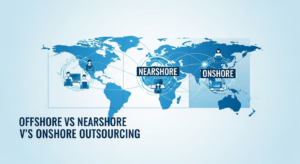
- Onshore outsourcing – Partnering with a company in your country
- Nearshore outsourcing – Working with providers in neighboring countries
- Offshore outsourcing – Hiring teams overseas for cost efficiency
Each model offers different cost, communication, and time-zone benefits.
Why Companies Consider Outsourcing IT Services

Cost Efficiency and Budget Control
Hiring full-time developers and IT specialists is expensive. Salaries, benefits, training, and equipment add up quickly.
Outsourcing converts fixed costs into predictable operational expenses. You pay only for what you need.
Access to Global Talent
The tech talent shortage is real. According to industry reports, millions of developer positions remain unfilled globally.
Outsourcing gives you access to:
- Certified cybersecurity experts
- AI and machine learning engineers
- Cloud architects
- DevOps specialists
Instead of struggling to recruit locally, you tap into global expertise.
Focus on Core Business Operations
Your company exists to deliver value, not to manage servers all day.
Outsourcing allows leadership teams to focus on:
- Strategy
- Sales
- Marketing
- Customer experience
Technology becomes a support function instead of a distraction.
9 Clear Signs It’s Time to Outsource IT and Software

Here’s the heart of the matter: When Should Your Company Outsource IT and Software Services?
Let’s break it down.
1. Rising Operational Costs
If IT expenses keep increasing without measurable ROI, it’s time to evaluate outsourcing.
Hidden costs often include:
- System downtime
- Emergency repairs
- Employee turnover
- Licensing renewals
Outsourcing often reduces these inefficiencies.
2. Lack of Specialized Skills
Technology evolves rapidly. Today’s systems demand:
- Cloud-native architecture
- Cybersecurity compliance
- Automation frameworks
- AI integration
If your internal team lacks these skills, outsourcing fills the gap immediately.
3. Missed Project Deadlines
Delayed software launches cost revenue and reputation.
Signs include:
- Repeated sprint failures
- Constant rework
- Burnout among developers
An outsourced team can bring structured workflows and experienced project managers.
4. Security and Compliance Concerns
Cyber threats are increasing daily. If your business handles:
- Customer data
- Financial information
- Healthcare records
You must maintain strong security standards.
Specialized IT providers often maintain certifications like ISO 27001 and follow strict compliance frameworks.
For additional cybersecurity guidance, visit the official resource from the U.S. government:
https://www.cisa.gov/cybersecurity
5. Rapid Business Growth
Growth is exciting, but it can overwhelm IT systems.
If your company is expanding into new markets or scaling operations quickly, outsourcing ensures infrastructure keeps up.
6. Outdated Infrastructure
Old servers, legacy software, and inefficient systems slow progress.
Outsourcing helps modernize:
- Cloud migration
- System upgrades
- Automation tools
Without draining internal resources.
7. Inconsistent IT Support
Frequent downtime? Slow help desk responses?
That’s a red flag.
Professional IT providers offer 24/7 monitoring and support.
8. Need for Innovation
If competitors are launching AI tools while you’re still fixing bugs, you’re falling behind.
Outsourcing allows you to innovate faster without hiring entire R&D departments.
9. Scaling Challenges
Seasonal business spikes require flexible IT capacity.
Outsourcing offers scalability, so you increase or decrease resources as needed.
Benefits of Outsourcing IT and Software Services
Here’s a quick breakdown:
| Benefit | Impact |
| Reduced Costs | Lower operational expenses |
| Expertise | Access to certified specialists |
| Scalability | Flexible growth support |
| Faster Time-to-Market | Accelerated product launches |
| Risk Reduction | Improved compliance & security |
Potential Risks and How to Avoid Them
Outsourcing isn’t perfect. Common risks include:
- Communication gaps
- Time-zone differences
- Data privacy concerns
- Loss of control
To reduce risks:
- Use clear SLAs (Service Level Agreements)
- Conduct vendor background checks
- Start with pilot projects
- Maintain regular meetings
In-House vs Outsourced IT: A Comparison
| Factor | In-House | Outsourced |
| Cost | High fixed cost | Variable cost |
| Control | Full control | Shared control |
| Expertise | Limited | Broad expertise |
| Scalability | Slower | Faster |
Industries That Benefit Most from Outsourcing
- Healthcare
- FinTech
- E-commerce
- Startups
- SaaS companies
- Manufacturing
These sectors face constant innovation and compliance demands.
How to Choose the Right IT Outsourcing Partner

Key Evaluation Criteria
- Proven track record
- Industry experience
- Security certifications
- Transparent pricing
- Client testimonials
Questions to Ask Vendors
- What security standards do you follow?
- How do you handle data protection?
- What is your project management approach?
- Can you provide case studies?
- How do you ensure scalability?
FAQs
1. Is outsourcing cheaper than hiring in-house?
Often yes, especially when factoring in recruitment, benefits, and infrastructure costs.
2. Can small businesses outsource IT?
Absolutely. In fact, startups benefit significantly from outsourced expertise.
3. How do I protect my data when outsourcing?
Use NDAs, encryption protocols, and choose certified vendors.
4. What services are commonly outsourced?
Cloud management, cybersecurity, help desk support, and custom software development.
5. Will I lose control of my IT operations?
Not if you maintain oversight and structured reporting systems.
6. How long does it take to transition to outsourcing?
It depends on complexity, but many transitions happen within 1–3 months.
Conclusion
So, When Should Your Company Outsource IT and Software Services?
The answer depends on clear business signals:
- Rising costs
- Skill gaps
- Security risks
- Growth pressure
- Innovation demands
Outsourcing isn’t about cutting corners; it’s about making smart strategic decisions.
If your IT systems are holding your company back instead of pushing it forward, the time to outsource may already be here.